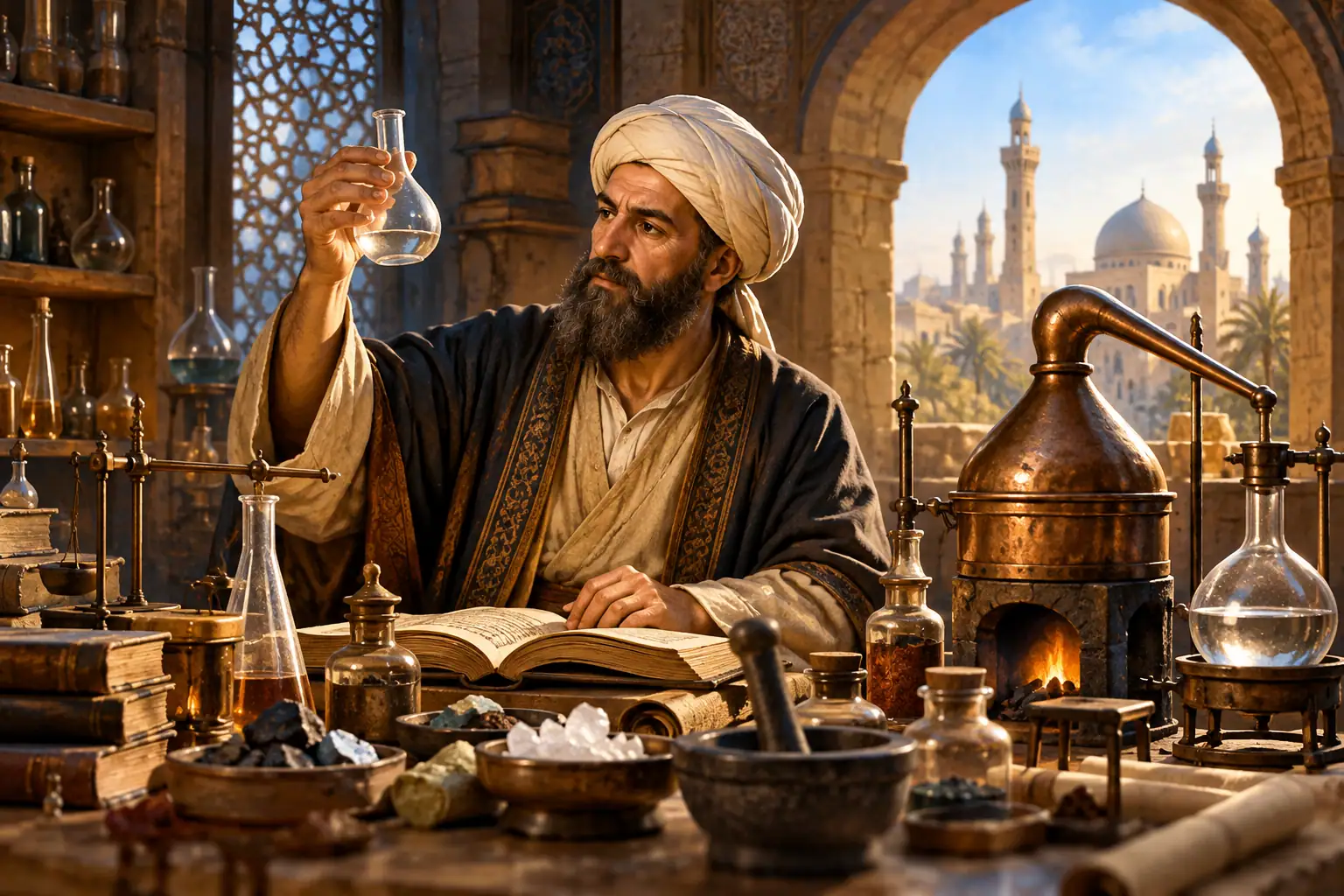
13 Islamic Golden Age Inventions and Contributions You Should Know
The Islamic Golden Age (8th–14th century) was an extraordinary era when Muslim scholars, inventors, scientists, and philosophers reshaped the world with groundbreaking discoveries. Their contributions laid the foundation for modern mathematics, astronomy, medicine, engineering, geography, and countless other fields. From algebra and optics to surgery and flying machines — these brilliant minds changed human history forever.
Below are 13 remarkable inventions and contributions, along with their inventors, eras, and impact.
1.Algebra – Muhammad ibn Musa al-Khwarizmi (c. 780–850 CE)
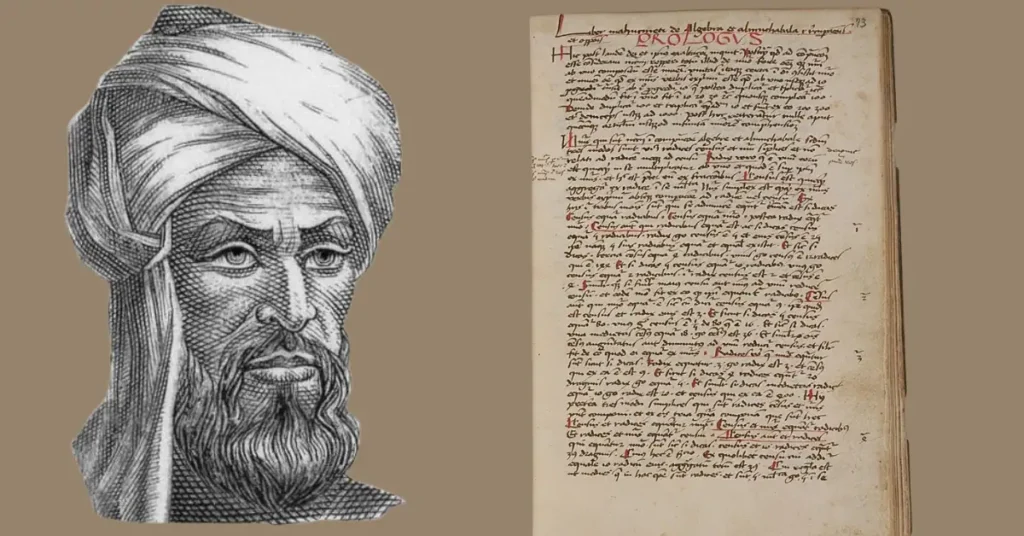
Al-Khwarizmi, a Persian mathematician of the 9th century, is often called the “Father of Algebra.” His book Kitab al-Jabr wal-Muqabala introduced systematic solutions of linear and quadratic equations. This single work revolutionized mathematics and even gave rise to the word “algebra.”
His methods formed the basis for modern arithmetic, algebraic notation, and algorithms (derived from his name). Today, almost every field of science relies on algebra — proving his timeless legacy.
Al-Khwarizmi didn’t just invent algebra — he also introduced algorithms, which form the backbone of all modern computing, programming, and digital technology.
His decimal number system and calculation methods revolutionized mathematics globally.
2.The First Camera (Camera Obscura) – Ibn al-Haytham (965–1040 CE)
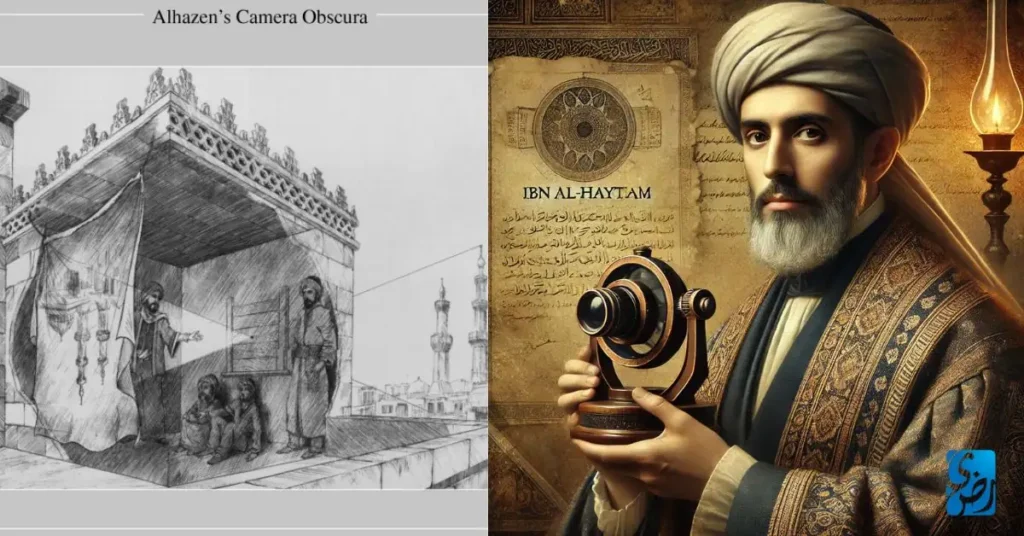
Ibn al-Haytham, the father of optics, created the first true camera obscura and explained how vision actually works — through light entering the eye, not rays emitted by it. His book Kitab al-Manazir (Book of Optics) is considered one of the most influential scientific books ever written.
His experiments laid the foundations for modern photography, physics of light, lenses, telescopes, and even the scientific method.
3.Surgical Instruments – Al-Zahrawi (936–1013 CE)
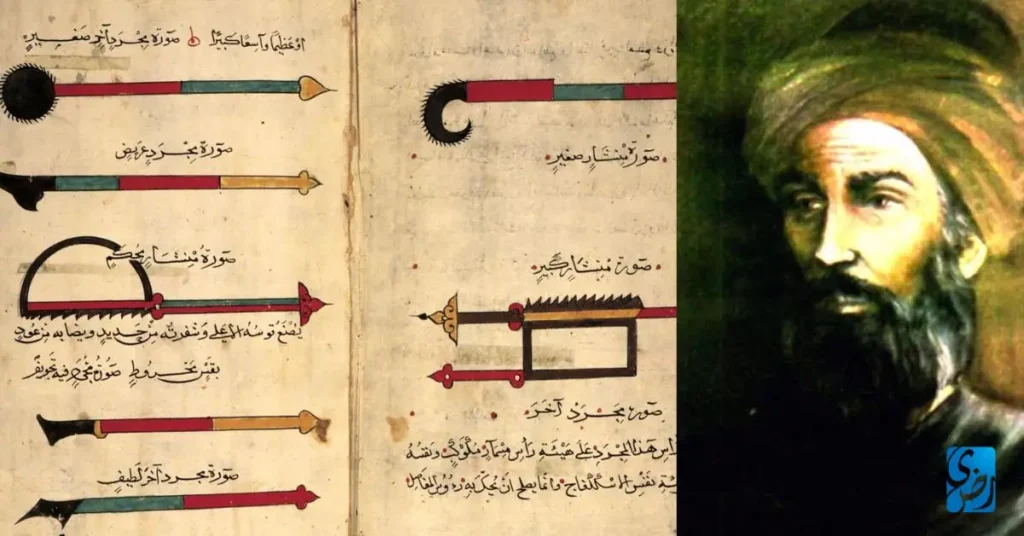
Abu al-Qasim al-Zahrawi, known in Europe as Abulcasis, was a 10th-century Andalusian surgeon who wrote the 30-volume Al-Tasrif. He designed over 200 surgical instruments, many of which are still used in modified form.
From forceps and scalpels to catgut stitches and cauterization tools, his contributions transformed medical surgery into a scientific discipline.
4. The First Flying Machine – Abbas ibn Firnas (810–887 CE)
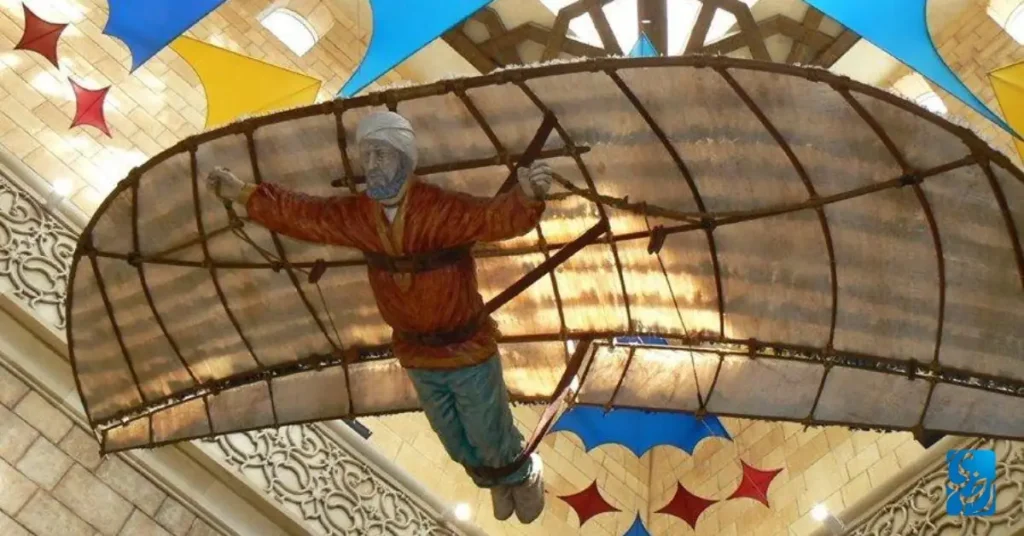
Abbas ibn Firnas, a 9th-century Andalusian polymath, attempted the world’s earliest human flight using a glider-like winged device. His experiment lasted several minutes — a remarkable achievement for the era.
His designs influenced future aviation concepts and earned him recognition as a pioneer in aeronautics.
5. Hospitals and Medical Wards – Al-Razi (854–925 CE)
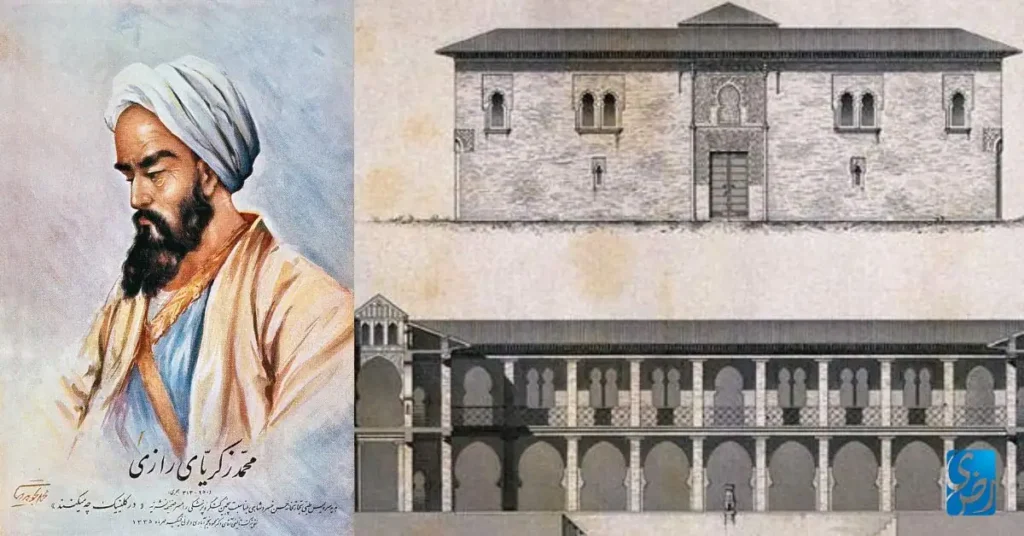
Al-Razi (Rhazes), a Persian physician, supervised the world’s first true hospitals (Bimaristans). He introduced specialized wards, medical records, and pharmacy sections.
His books like Kitab al-Hawi and Al-Jadari wa al-Hasbah shaped clinical medicine, pediatrics, and experimental treatments, influencing Europe for centuries.
Al-Razi not only founded general hospitals but also established special wards for mental health, a visionary step far ahead of Europe. Instead of treating mentally ill patients as outcasts, he recommended compassionate care, clinical observation, and therapy.
He wrote about psychological disorders, depression, and mental well-being with surprising modernity. This humane approach laid the foundation for psychiatric medicine.
6. The First University – Fatima al-Fihri (800–880 CE)
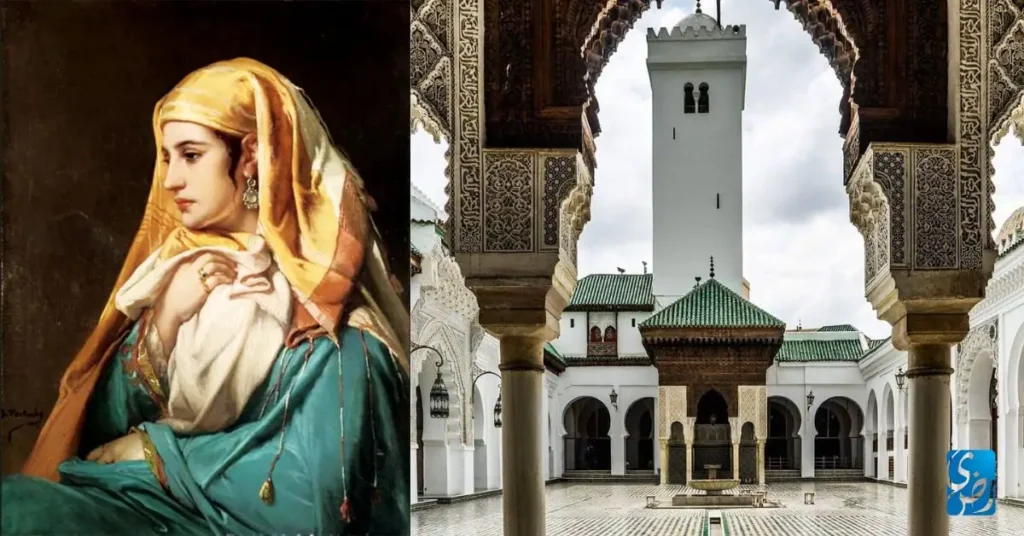
Fatima al-Fihri, a visionary Muslim woman, founded the University of al-Qarawiyyin in Fez, Morocco in 859 CE. It is recognized by UNESCO as the world’s oldest continuously operating university.
She created a center of advanced learning in theology, mathematics, medicine, astronomy, and law — inspiring future academic institutions globally.
7. Coffee – 9th Century Yemen

Coffee, now a global drink, originated in Yemen during the 9th century where Sufi monks used it to stay awake during night prayers. From the port city of Mokha, coffee spread to Makkah, Cairo, Istanbul, and then Europe.
It became a social, intellectual, and cultural phenomenon — fueling discussions in early “coffee houses” across the Muslim world.
8.Chemistry – Jabir ibn Hayyan (721–815 CE)
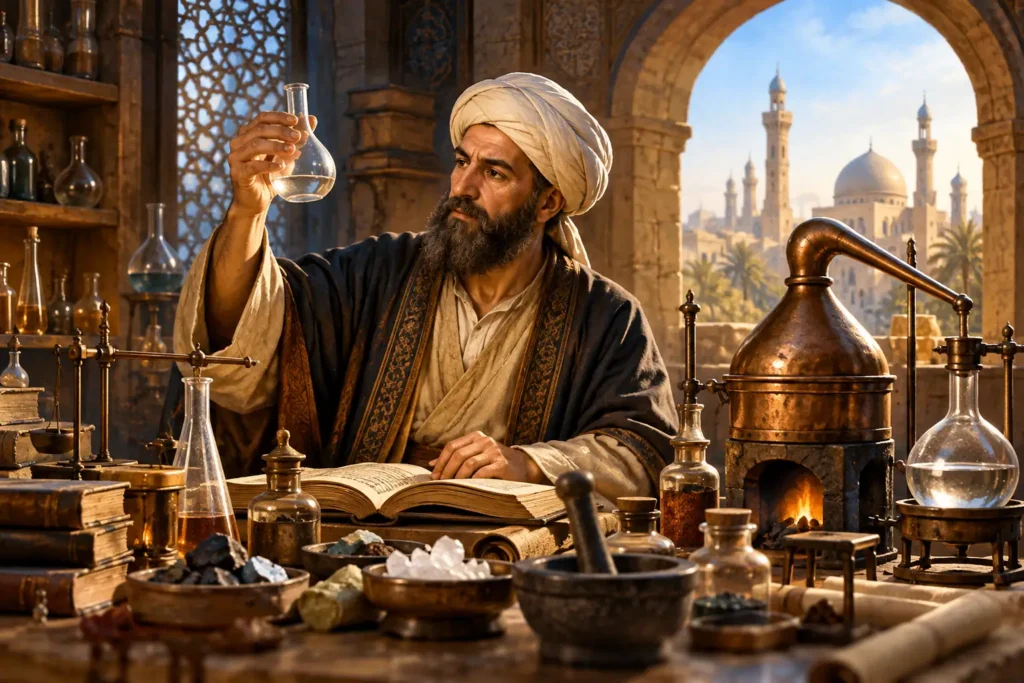
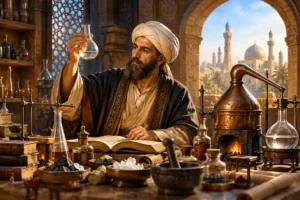
Jabir ibn Hayyan (Geber), the father of chemistry, introduced distillation, crystallization, sublimation, purification, and acid preparation.
His scientific approach transformed ancient alchemy into real experimental chemistry. Many laboratory instruments still follow the designs he pioneered.
9.The Astrolabe – Islamic Astronomers (8th–12th Century)
Muslim astronomers refined the astrolabe into a highly advanced instrument used for navigation, timekeeping, determining prayer times, and finding the Qiblah.
Scholars like Al-Battani and Al-Sufi contributed precise star charts and astronomical tables, making Islamic observatories among the finest in the world.
10.Mechanical Clocks & Automation – Al-Jazari (1136–1206 CE)
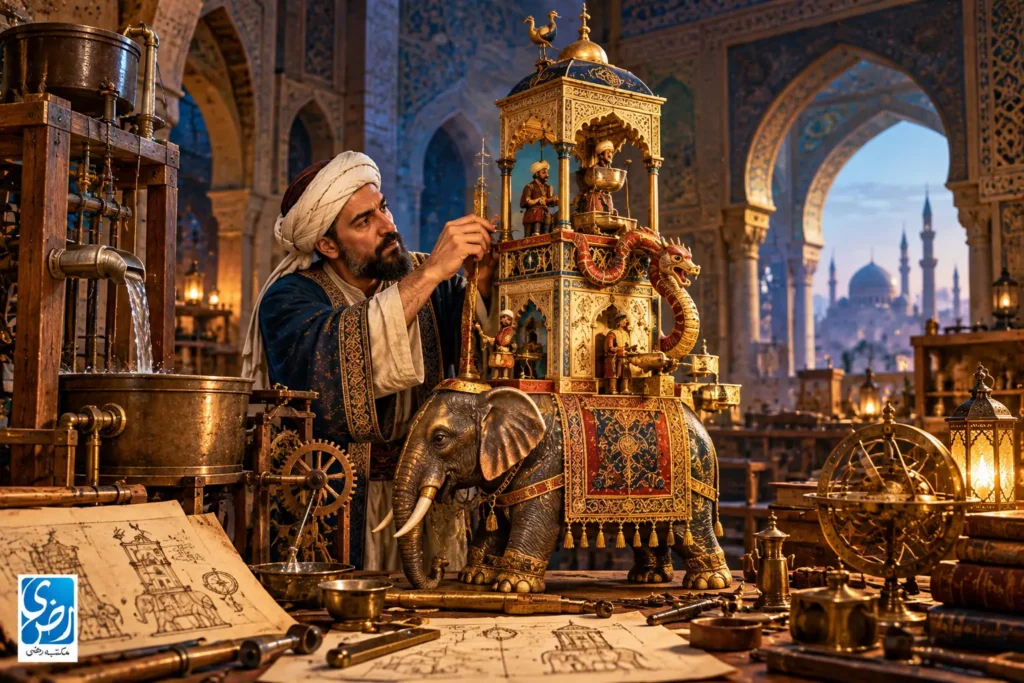
Al-Jazari, a 12th-century engineer, created advanced water clocks, the famous Elephant Clock, automated devices, and mechanical tools.
His illustrated book Kitab fi Ma‘rifat al-Hiyal al-Handasiya contains 100 mechanical inventions, many of which inspired modern robotics and engineering.
11.Medicine & Canon of Medicine – Ibn Sina (980–1037 CE)
Ibn Sina (Avicenna), a legendary Persian polymath, wrote The Canon of Medicine, a medical encyclopedia used globally for over 600 years.
He made breakthroughs in anatomy, pharmacology, contagious diseases, and clinical trials — forming the basis of modern medical science.
12.Geography & World Maps – Al-Idrisi (1100–1165 CE)
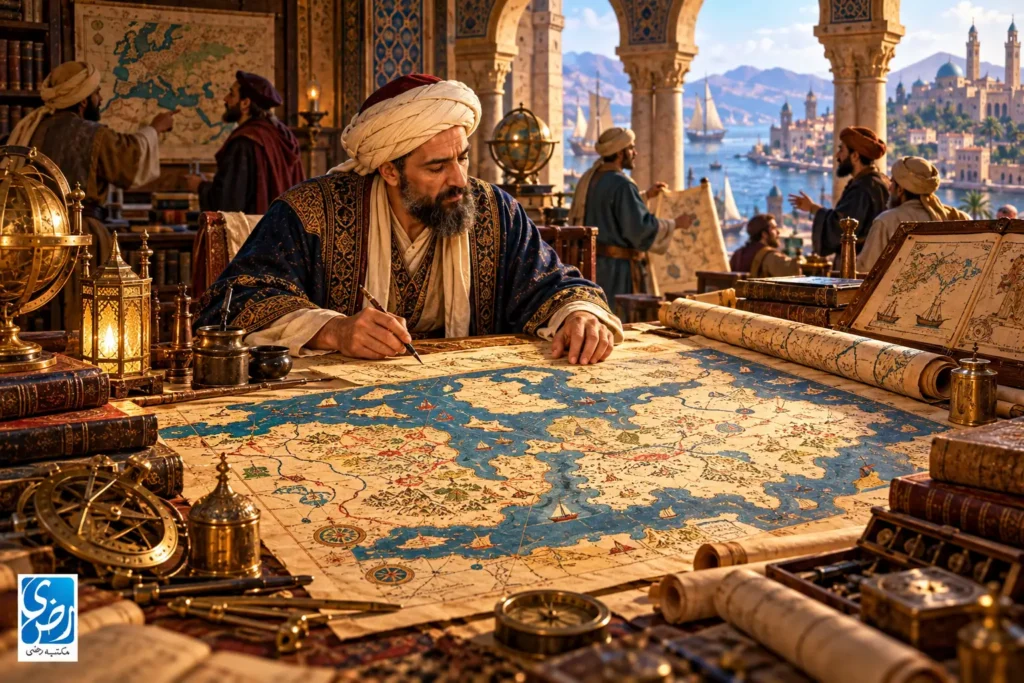
Al-Idrisi created the Tabula Rogeriana in 1154 CE — one of the most accurate world maps of the medieval era. He collected data from explorers, merchants, sailors, and travelers across three continents.
His work influenced European navigation, geography, and world exploration for centuries.
13.Observatories & Advanced Astronomy – Al-Biruni (973–1050 CE)
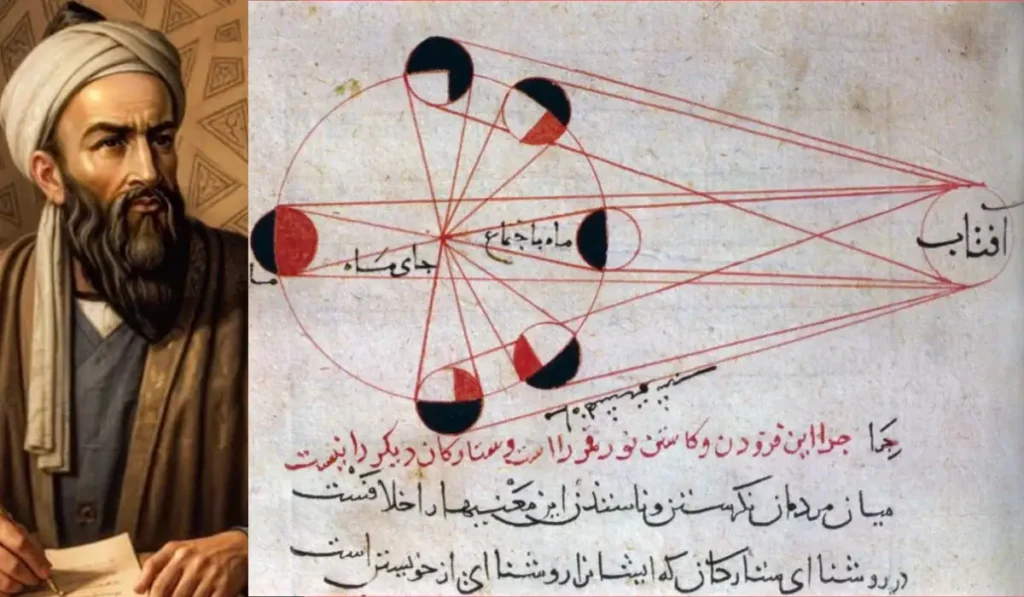
Al-Biruni, a towering genius of the 10th–11th century, made groundbreaking contributions in astronomy, mathematics, and earth sciences. He accurately calculated the Earth’s radius with astonishing precision, using only a mountain and simple geometry.
He designed astronomical instruments, improved observational techniques, and established methods that would later influence modern astrophysics. His book Al-Qanoon al-Masudi became a foundational reference for centuries.
14.Distillation of Alcohol & Perfume Chemistry – Al-Kindi (801–873 CE)
Al-Kindi, known as the “Philosopher of the Arabs,” made remarkable contributions to chemistry, especially in perfume distillation, extraction, evaporation, and alcohol purification. His book Kitab Kimiyaʾ al-ʿIṭr (The Book of Perfume Chemistry) explains how to create essential oils and fragrances.
His scientific approach to refining alcohol and creating perfumes gave birth to modern cosmetics, aromatherapy, and chemical engineering techniques.
15.Windmills – 7th–9th Century Persia (Used Across the Islamic World)
One of the earliest practical windmills was developed in eastern Persia (modern Iran and Afghanistan) during the early Islamic period. These vertical-axis windmills were used for grinding grain and pumping water — long before European windmills appeared.
They powered entire villages and agricultural systems. The famous Nashtifan windmills still standing today are direct descendants of this innovation, proving how advanced early Islamic engineering was.
16.Surgical Treatment of Cataracts – Ammar ibn Ali al-Mawsili (10th Century CE)
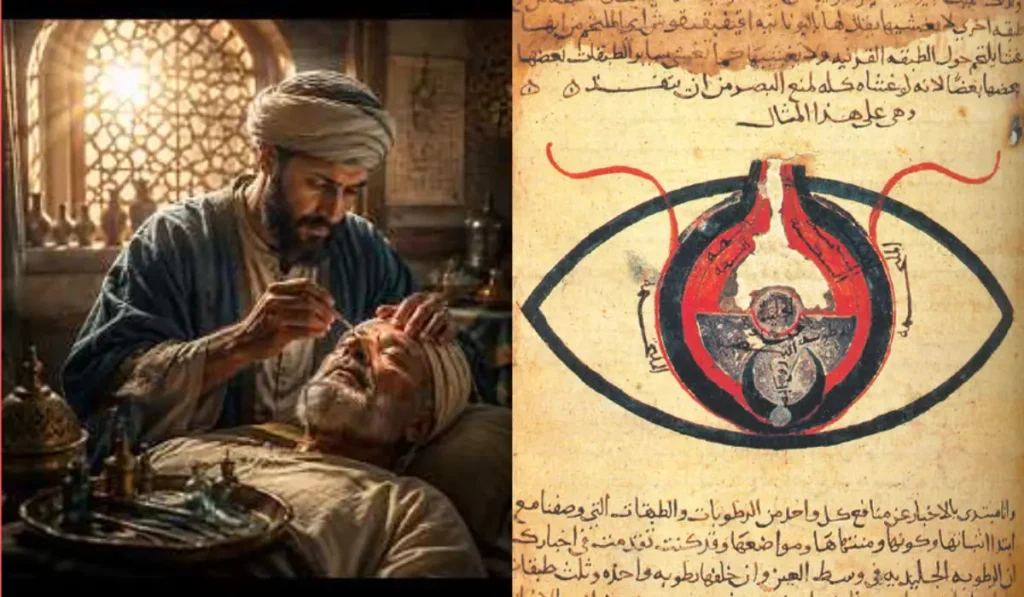
Ammar al-Mawsili, a 10th-century ophthalmologist, invented a hollow needle for cataract extraction, making him one of the earliest pioneers of modern eye surgery. His technique involved suctioning the cataract out instead of pushing it aside — an enormous improvement over earlier methods.
His innovations spread across the Islamic world and later reached Europe, influencing modern cataract surgery techniques used today.
17.Navigation Maps & Determination of Latitude/Longitude – Ibn Majid (1421–1500 CE)
Ahmed ibn Majid, known as the “Lion of the Sea,” was a legendary Arab navigator who wrote several books on oceanography, sailing techniques, monsoon winds, and maritime routes across the Indian Ocean.
He perfected the use of latitude measurements, star navigation, and seasonal wind patterns. His Kitab al-Fawa’id became a key manual for sailors and helped explorers navigate the Arabian Sea, Indian Ocean, and the coast of Africa centuries before modern instruments.
| # | Invention / Contribution | Inventor / Contributor | Era (Birth–Death) | Field | Impact / Description |
|---|---|---|---|---|---|
| 1 | Algebra | Muhammad ibn Musa al-Khwarizmi | 780–850 CE | Mathematics | Founded algebra; wrote Kitab al-Jabr. Introduced algorithms and decimal system. |
| 2 | Camera Obscura (First Camera) | Ibn al-Haytham | 965–1040 CE | Optics / Physics | Explained vision scientifically; laid foundations of photography and the scientific method. |
| 3 | Surgical Instruments | Al-Zahrawi (Abulcasis) | 936–1013 CE | Medicine / Surgery | Designed 200+ surgical tools, wrote Al-Tasrif, revolutionized surgery. |
| 4 | Early Flying Machine | Abbas ibn Firnas | 810–887 CE | Engineering / Aviation | Attempted first human flight with a glider; early aviation pioneer. |
| 5 | Hospitals & Medical Wards | Al-Razi (Rhazes) | 854–925 CE | Medicine | Built world’s first hospitals with wards & pharmacies; wrote major medical encyclopedias. |
| 6 | Mental Health Hospitals | Al-Razi (Rhazes) | 854–925 CE | Psychiatry | Established first mental health wards; promoted compassionate psychological care. |
| 7 | First University | Fatima al-Fihri | 800–880 CE | Education | Founded University of al-Qarawiyyin (859 CE), the world’s oldest university. |
| 8 | Coffee | Yemeni Sufis | 9th Century | Culture / Food | Origin of coffee; spread from Yemen to the world through Islamic regions. |
| 9 | Chemistry (Distillation Techniques) | Jabir ibn Hayyan (Geber) | 721–815 CE | Chemistry | Developed distillation, crystallization, acids; father of modern chemistry. |
| 10 | The Astrolabe | Islamic Astronomers (Al-Battani, Al-Sufi, etc.) | 8th–12th Century | Astronomy / Navigation | Advanced astrolabe for navigation, prayer times, Qiblah determination. |
| 11 | Mechanical Clocks & Automata | Al-Jazari | 1136–1206 CE | Engineering / Robotics | Created water clocks, Elephant Clock, automata; father of mechanical engineering. |
| 12 | Canon of Medicine | Ibn Sina (Avicenna) | 980–1037 CE | Medicine | Wrote The Canon of Medicine, standard medical text for 600+ years. |
| 13 | World Maps & Geography | Al-Idrisi | 1100–1165 CE | Geography | Created Tabula Rogeriana, most accurate medieval world map. |
| 14 | Advanced Astronomy & Earth Radius Calculation | Al-Biruni | 973–1050 CE | Astronomy / Mathematics | Measured Earth’s radius precisely; developed observational astronomy. |
| 15 | Perfume Chemistry & Distillation of Alcohol | Al-Kindi | 801–873 CE | Chemistry | Developed perfume distillation and refined alcohol purification. |
| 16 | Early Windmills | Persian Engineers | 7th–9th Century | Engineering / Energy | Built vertical-axis windmills for grinding grain and pumping water. |
| 17 | Cataract Surgery (Hollow Needle) | Ammar ibn Ali al-Mawsili | 10th Century CE | Medicine / Ophthalmology | Invented suction-based cataract extraction method. |
| 18 | Navigation, Latitude & Maritime Science | Ibn Majid | 1421–1500 CE | Navigation / Oceanography | Wrote navigation manuals; perfected latitude measurement & star navigation. |